
At the time of watching Orange for the first time, there were not very many drama romance shows I was familiar with. I didn’t really start my (shallow) dive into romance manga yet, and shonen action was definitely still my preferred genre (alongside Isekai). So a really solid drama like Orange – although not my genre per se – was always going to leave a big impression since the comparisons to other shows weren’t there yet. Which got me to wondering, how will I feel about this show if I rewatch it a decade later. By today, shojo romance manga are a staple in my manga consumption with series like The Fragrant Flower, Horimiya and Skip & Loafer all being favorites of mine. So with that all in mind, let’s take another look at Orange.
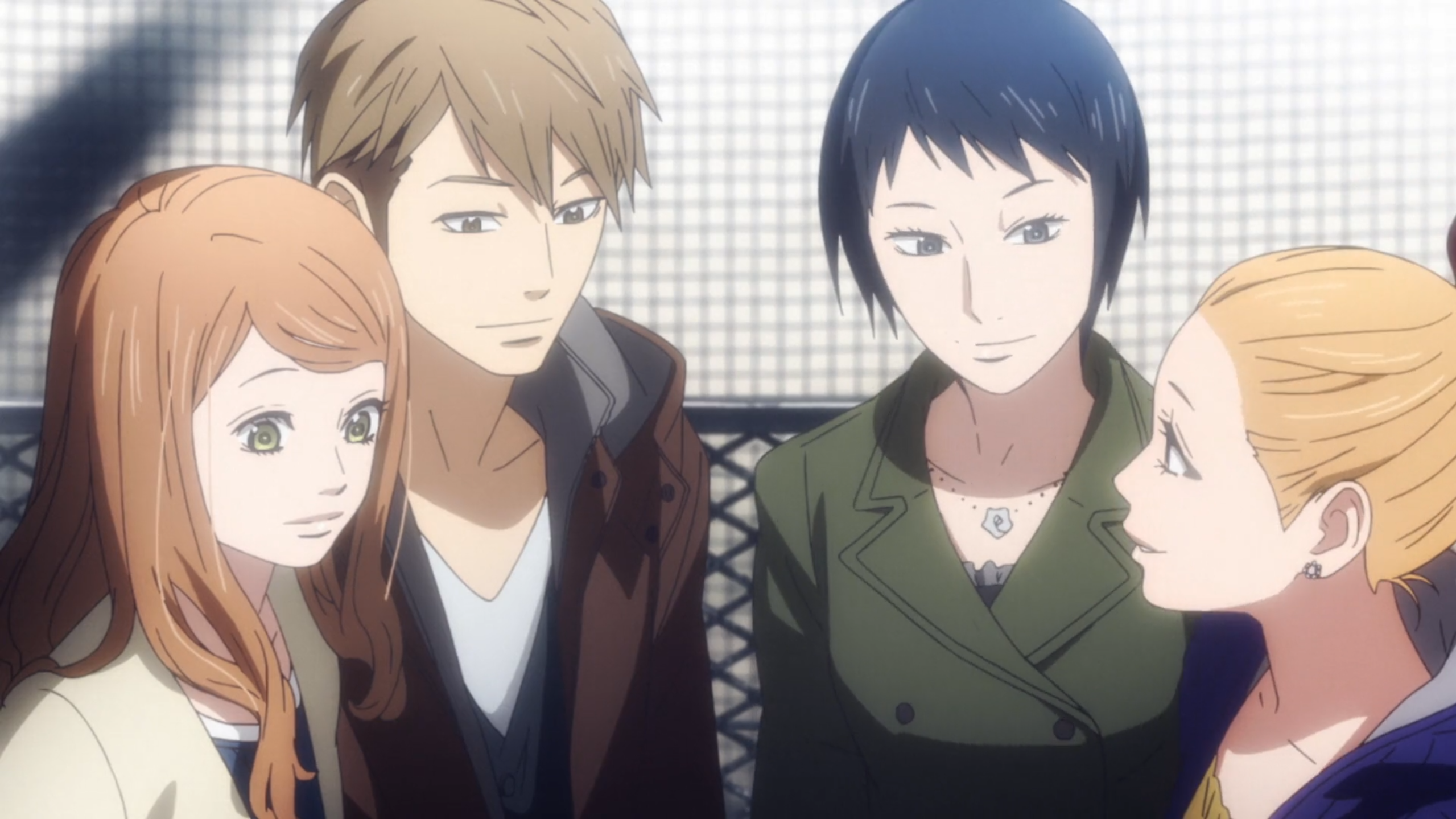
Let’s start with the two parts of this series that are the most memorable for me. The two things I could still remember after all these years. The first one is the core plot point, which involves the main character Naho sending a letter to herself from 10 years in the past. Apparently their friend Kakeru – who Naho has not met yet when she receives the letter from her future self – was going through a lot more pain than they realized at the time, and ended up dying tragically. Her future self then implores Naho to do things differently, in an attempt to save Kakeru. To prove that the letter is actually from herself in the future, she adds several diary entries about things that have yet to happen, and Naho watches as these events unfold in front of them, the first big one being the new transfer student; Kakeru.
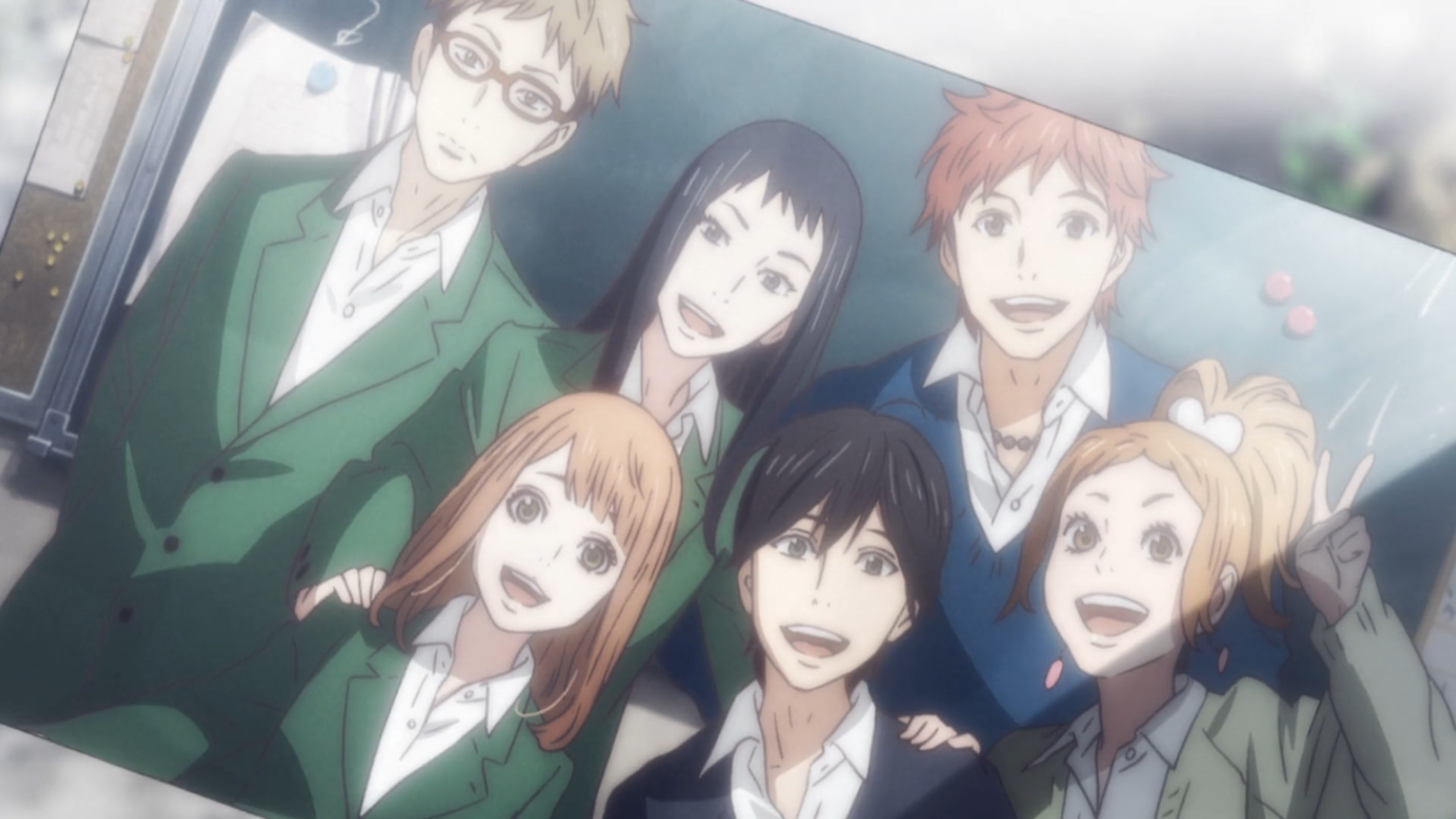
From bottom left to bottom right: Naho, Kakeru, Azu
The second thing that has always stayed with me about this show is the opening song: Hikari no Hahen by Takahashi Yuu. The tranquil and melancholic pop song has never quite managed to leave my consciousness completely, coming up in my playlists from time to time or while I’m watching anime opening compilations. It even sometimes randomly pops up in my head simply due to how incredibly catchy it is. The accompanying shots of the main cast are melancholic in a way that fits the music and it does its job of getting you in the mood for an emotional story.
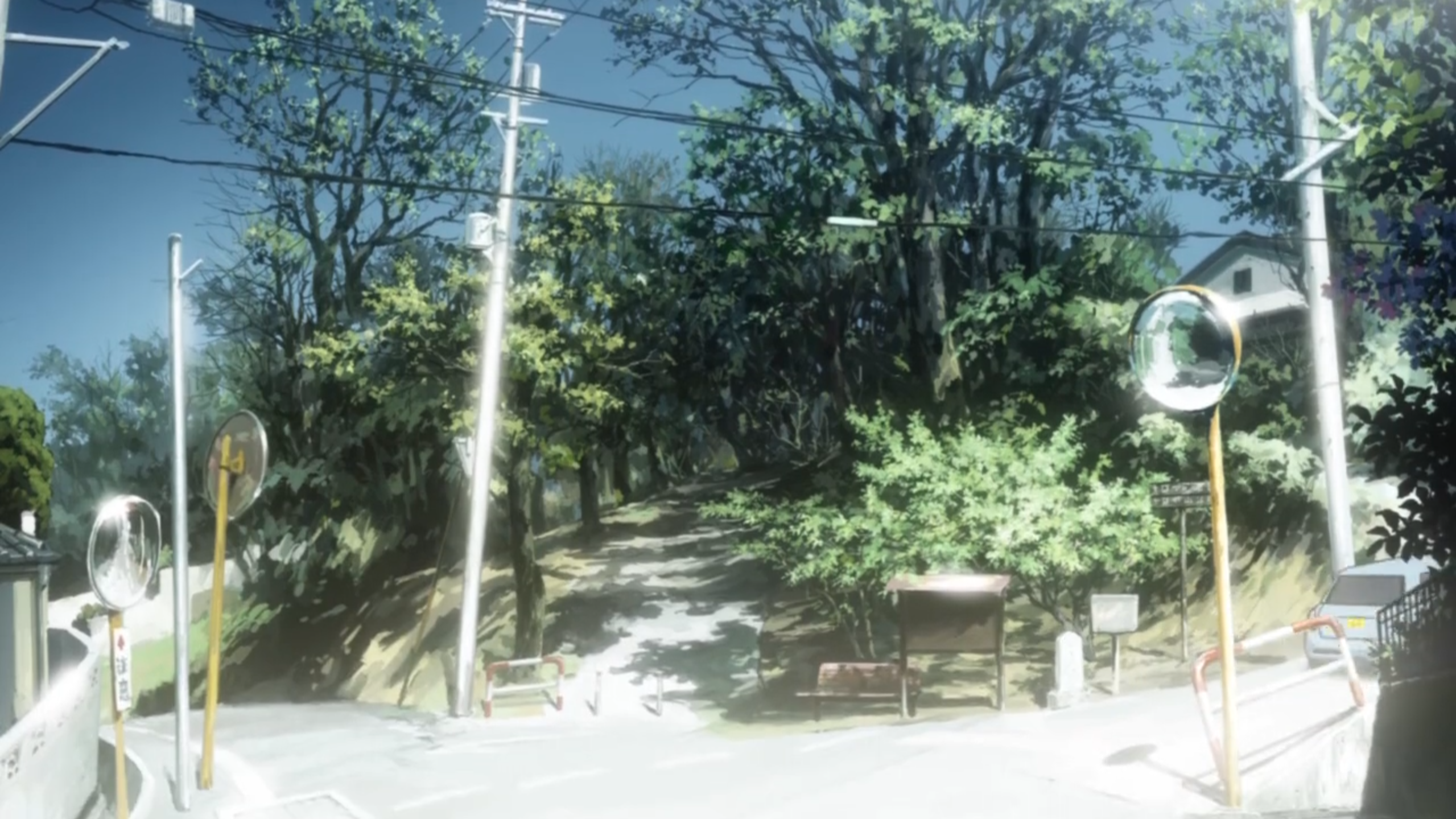
The first thing I noticed that I don’t think registered with me the first time I watched Orange is the backgrounds. This show does take place in a city, but it’s a more rural city than something like Tokyo – where Kakeru is from – and that’s very well conveyed by the backgrounds. Many of the gorgeously drawn shots have trees in them and the surroundings that the cast often finds themselves in feels much more open and tranquil than many other stories with similar settings. Skip & Loafer actually touches on this from a different angle, where we leave the city to visit the countryside later in the story and that really hammers home the difference in lifestyle. Orange is somewhere in the middle of the two.
Then the characters themselves. We look at this story through the eyes of Naho, but there is a group of six characters that we end up spending most of our time with. Naho is timid and kind, Suwa is popular and athletic, Azusa’s family owns a bakery and she is very outgoing as well. Meanwhile Hagita is much more introverted and spends as much of his time as possible reading, but he usually does so around his friends and joins them in any activities either way. Takako is more stoic and quiet. Lastly, we have Kakeru, the transfer student from Tokyo and the reason this story is happening. Kakeru is an interesting character due to how we learn some of his tragedies without seeing them clearly reflected in the character. Let’s dive into the story.
As mentioned earlier, the future versions of the friend group – minus Kakeru – met up long after the current timeline, and future Naho sends a letter to her past self detailing some mistakes she made due to being timid, that she would like her past self to avoid, in hopes of creating a better future for their friend. Although Naho is very sceptical – and still understandably timid – she quickly realizes that there’s definitely something to this letter, as it’s doing a great job at predicting the things that will happen in the next couple of days. After she fails to do anything different when Kakeru first shows up, the transfer student stays away from school for a while. We later learned that the reason Naho’s future version didn’t want her to invite Kakeru on their day out was because his mother committed suicide that afternoon, and that is why Kakeru was absent for a while.
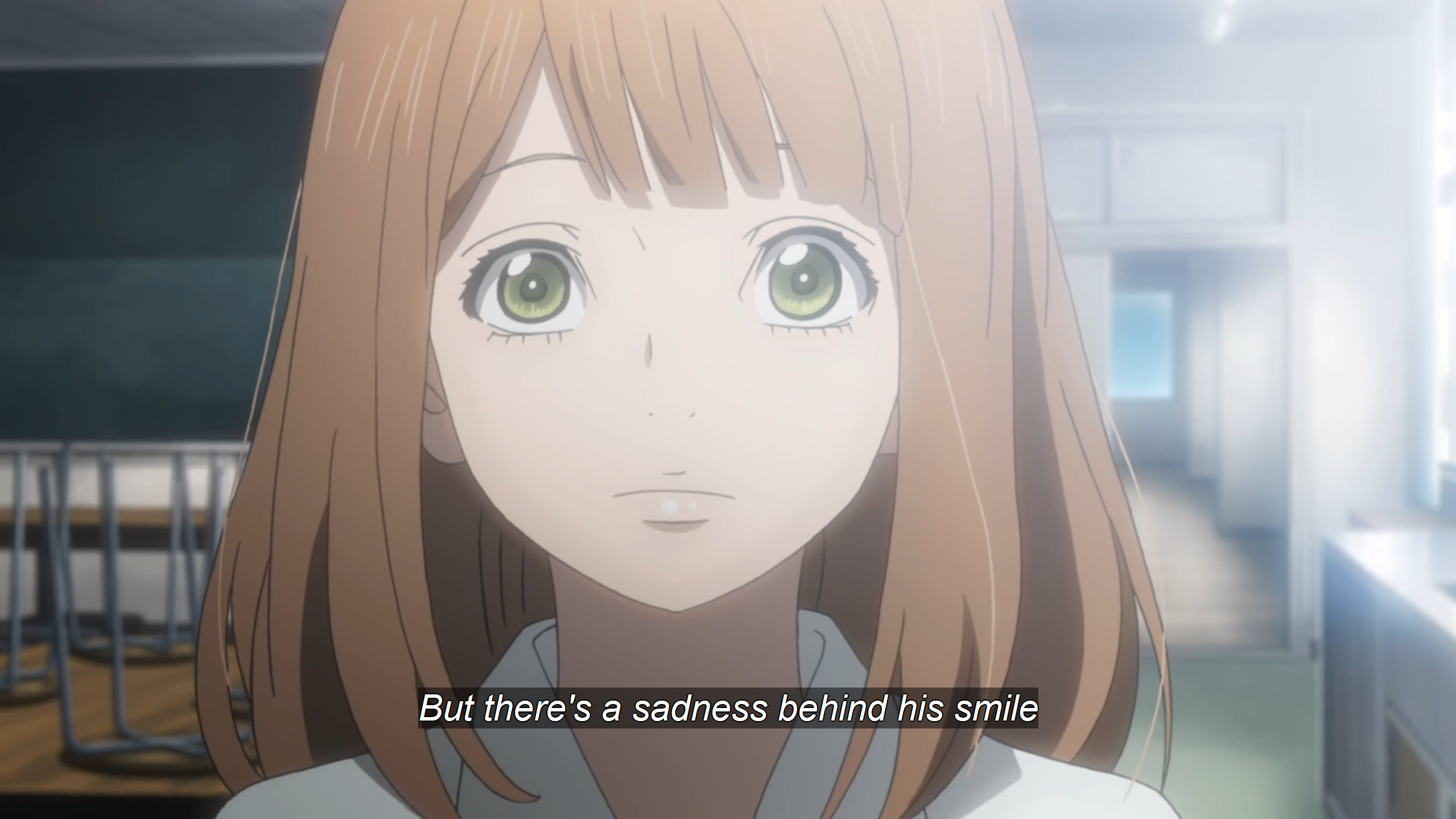
Without going into spoilers, there is a lot of focus on being who you are and then changing that person to a different version of themselves that still includes some of their initial characteristics. In particular Naho is trying her best to become more outgoing and more confident. We slowly learn more as the series continues and later on there is a twist revealed to us that is pretty well foreshadowed, but I definitely didn’t catch it on my first watch through.
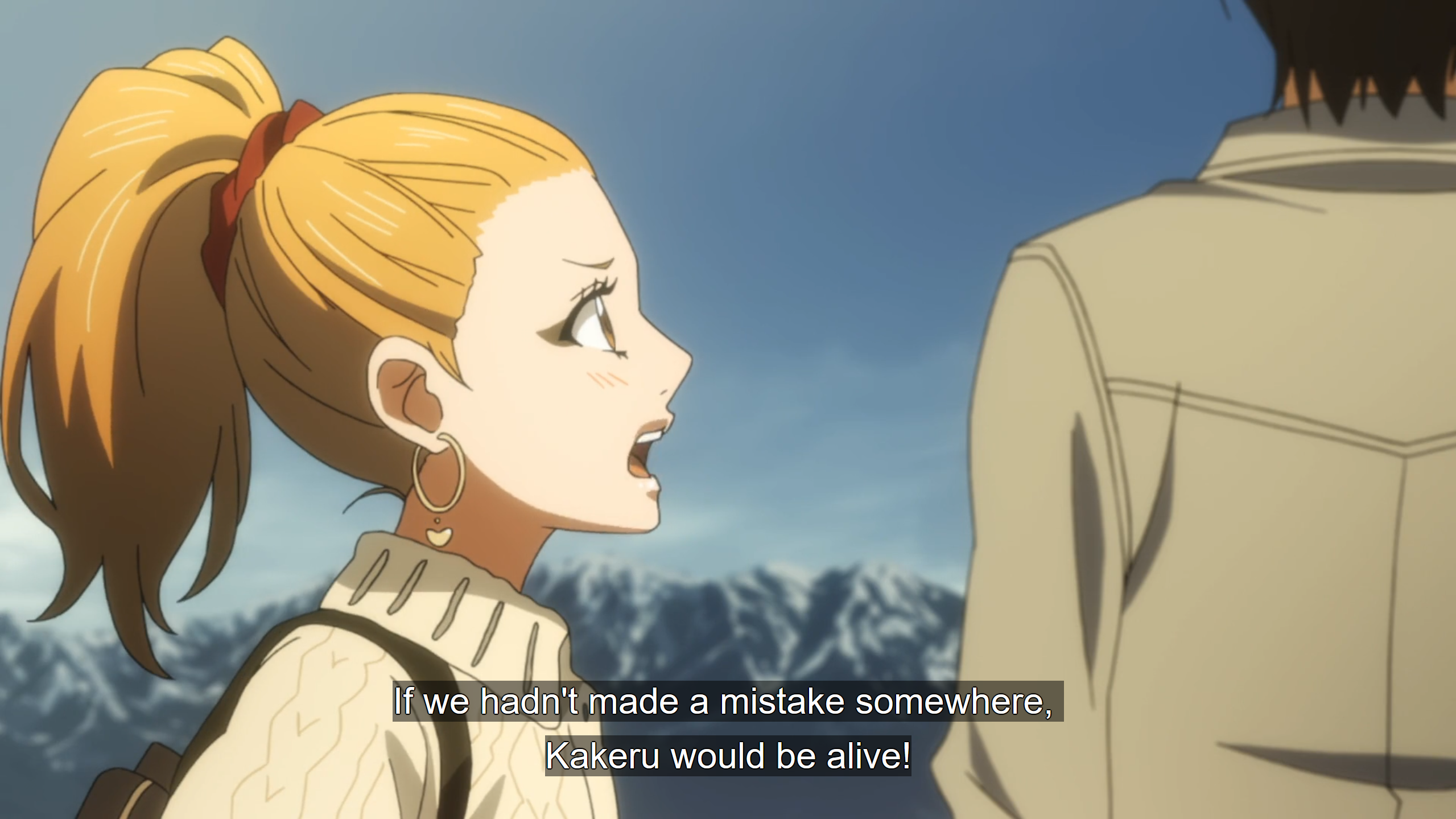
Considering all of that, I think it’s safe to say that giving Orange a watch – if you haven’t yet – is definitely worth the time. It’s a well crafted melancholic romantic drama with well written characters and an interesting plot hook in the time travel shenanigans with the letter. It’s not going to reinvent the genre by any means, and it can be a bit slow at times, but I really enjoyed rewatching this series.
 Opal Kaharis