

I have been gaining weight. I was relatively light about two years ago, but ever since I started taking my anti-anxiety medication I’ve been slowly gaining weight. That would happen sometimes in the past as well, but a good bout of anxiety or panic would usually burn up those reserves pretty quickly. That may not have been particularly healthy, and I definitely wouldn’t want to go back to those days, but it was one of the side effects I didn’t mind nearly as much as the others. Now that my mental health has improved a decent amount, it might be time to start worrying about my physical health on top of it. So I’ve dug up the ringfit, started eating an apple a day and am keeping my snacking habits a little bit more under control although that last one has seen very limited success. What better time to talk about some of my favorite sports anime out there than now? There are many great sports anime out there and although some of them are very similar in how they tick, there are also some very different shows. Today I’d like to highlight four of these shows that are different enough from each other to be interesting to different people. I was originally planning to do five shows, but although I could shoehorn a show in that’s too similar to some of the others, I decided to keep it at four. I am saving the fifth entry for its own post. But out of those four, let’s start with the most classic one.
Kuroko no Basket
I could have put Hajime no Ippo here, I could have put Haikyuu here, I could have put Ao Ashi here and there are likely a dozen other shows that are similar enough to fit this spot, but when it comes to your classic shonen sports there is nothing that can beat Kuroko no Basket. I’m not biased because I grew up playing basketball, how dare you suggest that.
Kuroko no Basket follows Kagami as well as the titular Kuroko as they join Seirin high school’s basketball team. Kuroko, once belonging to a legendary middle school team dubbed the generation of miracles, but being the mostly forgotten glue that kept the rest of the team together through his interesting abilities and Kagami being a relative unknown that’s bursting with potential, the duo start integrating into their new team. The generation of miracles have all split up and are now each part of their own team, leading their schools into powerhouse territory. The story follows Seirin as they climb the ranks and take on the other generation of miracle teams one at a time, while also developing the other teams really well. This is something that many of the better shonen teams do, they spend enough time on the other teams so that they feel important. I’ll highlight this particular thing more in another show we’ll cover shortly.
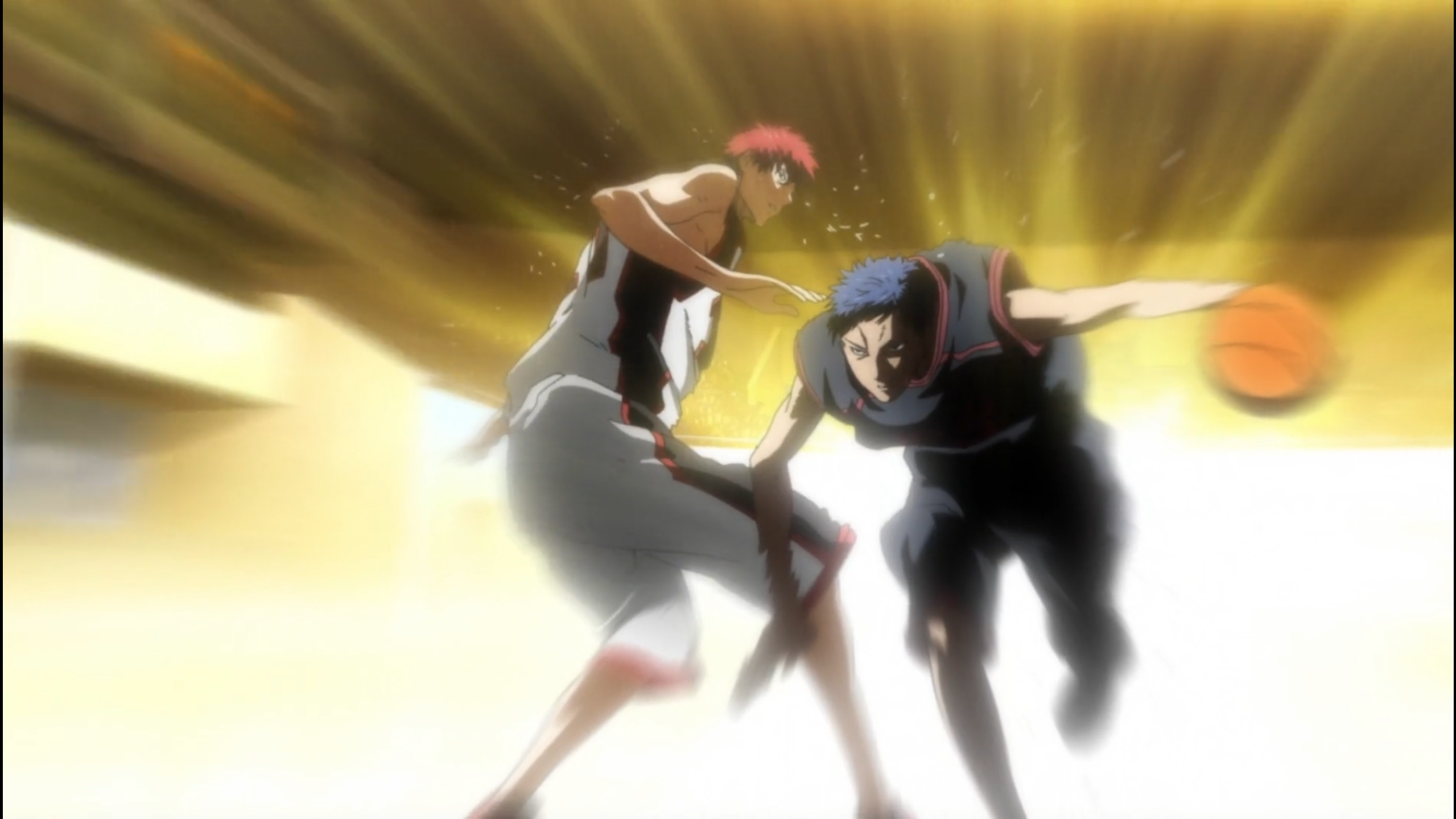
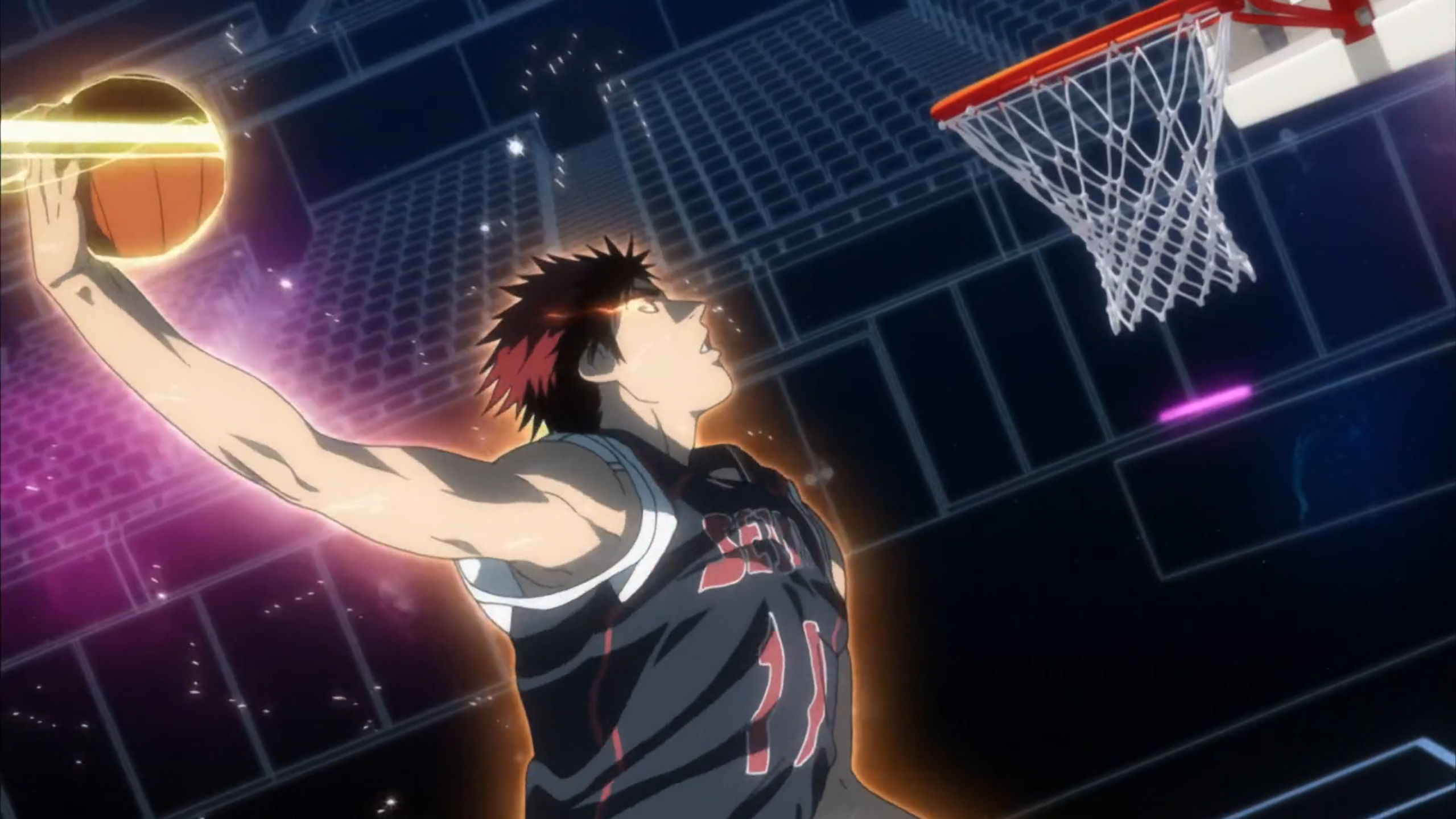
Kuroko no Basket is relatively unique in how its players’ abilities are represented. Their abilities are all based around actual basketball skills. Think of things like tricky dribbling, shooting three pointers, ankle breakers, really good blockers and more. All of these abilities are tuned to the extreme, turning them into what are basically super powers. The trick for every match is dealing with the opposing team’s super power in some way. The cast is fun, the animation is fine and the hype of the sports matches – including recurring characters in the stands providing commentary – are all done well enough that this is probably the show I’m most likely to recommend to you when you’re just dipping your toes into the genre. This or Haikyuu, kind of depends if you prefer volleyball or basketball. But if you’ve already watched those and are looking for something that feels a little bit more competitive, then have a look at the next entry on this list.
Ace of Diamond
This series has all the building blocks of your standard shonen sports story. Aiming for nationals, rival teams, senpais who are graduating soon, new members and of course sports matches. But despite all of these similarities to the more formulaic shonen sports shows, I still want to put this in its own separate categories. And I want to do this for two reasons. The first reason is one that on its own wouldn’t really make me want to separate it, but is interesting. Seido high school – the team that this manga mostly centers around – loses a lot. Most of these shows have the teams losing here and there, or pulling out some last second victories, but since the end goal of these stories is usually to have the teams win their important matches, preferably before the senpais retire, the match results end up being pretty predictable. There’s some curveballs (yes we’re doing baseball puns) here and there where teams lose matches you would expect them to win, but Seido loses at crucial moments all the time, and then we spend some time sulking about it before continuing on. It’s honestly great since I rewatched the show years later and didn’t remember some of the results of matches, making it exciting to rewatch.
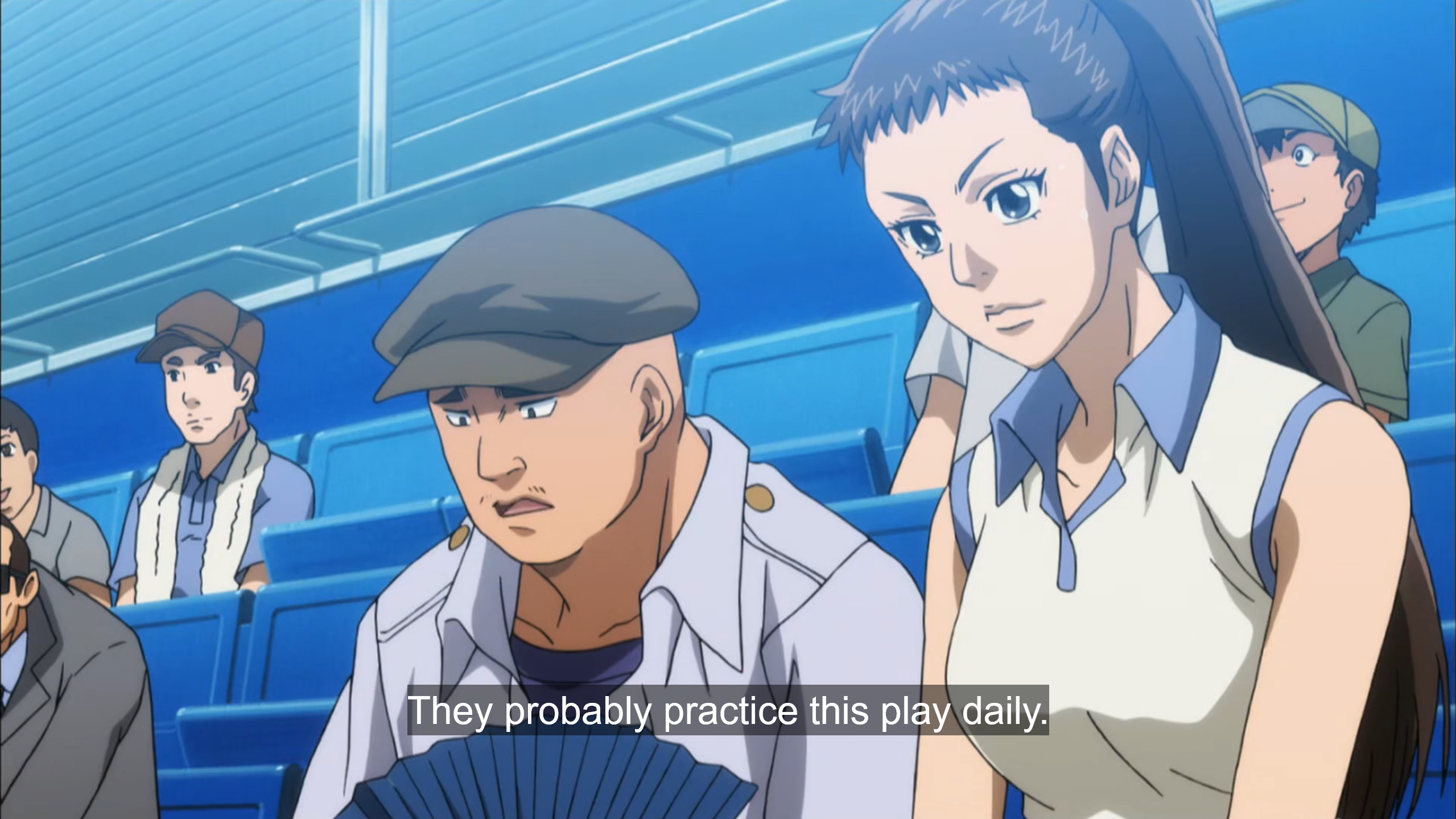
The second thing that Ace of Diamond does incredibly well is highlighting the other teams in the competition. Because Seido loses and drops out of the competition several times, it gives us the ability to spend much more time in the world it plays in. This results in the characters spectating rival matches and taking the viewer along into the strategies and hopes of other teams. This goes so far that sometimes I forget which team is the main team and end up rooting for another team. The interpersonal connections we see established here make the world feel much more alive, with coaches and managers from other teams having established places and playstyles. One of the coaches was even a former coach of the current coach of Seido, to just give an example. Where Kuroko no Basket feels borderline fantastic, Haikyuu feels idealized but Ace of Diamond feels down to earth and realistic. With almost a hundred volumes total – much of which I haven’t read yet – this story also gives you quite a lot of time to spend with these characters, which I would say is also a pro. If you’ve moved on from the main shounen sports anime, definitely check out this show. I have personally not seen Major yet, but if you really like baseball, I’ve been told that it is a great entry into the genre too.

Run with the wind
Both of the entries we’ve talked about so far are very much still within the realm of shounen sports anime. Despite a somewhat different approach for each of these, they are still about a high school team working together to go to nationals. Run with the wind is nothing like that. For starters, this isn’t based on a manga, but instead based on a novel. Not a light novel, not a web novel, but a proper novel. What’s the difference? I don’t know, marketing?

In Run with the wind, the sports part of the story is very much just there as a tool to push the narrative forward. The story follows a group of young men living in a dormitory together while they go to school or try to find a job. They each have their own paths to getting here, and our main character – Kakeru – ends up staying there as well, after being caught shoplifting. One of the members there convinces everyone staying at this dormitory to join him in training for the Hakone Ekiden. The Hakone Ekiden is a race which is held yearly in Japan and sees 20 university teams compete over the span of two days. The relay race is the biggest out of several that are being held in Japan and takes place in the first days of January. Haiji really wants to complete this race with his friends but he needs to convince them to participate. Running a relay race for a good friend doesn’t seem like it takes too much convincing, but not only are these people not very interested in running, the preliminary races that you need to complete within a certain time are pretty brutal for people who haven’t trained for them at all. But like I said, the sport itself isn’t that big of a focal point for this anime.

What is really at the core of this story is the personal struggles that each of these characters go through. Quitting smoking, setting yourself apart from your twin, dealing with being a shut-in and not making many friends or even being unable to find a job. Each of these characters is unique but feels very grounded. Their struggles and their wants are both very real and well explored. All of them need to overcome something in their personal life and through the discipline, friendship and physical energy they all get from running they end up getting to a place in their life where they’re more content with who they are and where they are at in life. It’s a wonderful study of people and I would highly recommend anyone who has the time to do so to check it out. It’s a one and done, no sequels, no cliffhangers, just a nice self-contained story. And the music is great too.
Chihayafuru
There were several shows I wanted to put in this slot that all scratch that “sports-esque” itch. I considered talking about smile down the runway but it feels a bit niche and I don’t know enough about fashion to properly review it. I also wanted to put my all time favorite anime March comes in like a lion in this spot, but I think that’s a show I really want to dive in at some point and dissect every detail of as opposed to three or four paragraphs. So only one show was left in this weird subgenre that I really love and that is of course Chihayafuru.

If you’re unfamiliar with this show then first of all, lucky you. You get to experience it completely fresh and there are even three seasons of it. When I first watched it there were only two and let me tell you, the announcement that a third season was being made came out of absolutely nowhere. Now, Chihayafuru is not a sports anime in the classic sense. Karuta – the game that we focus on in this series – is a card game during which poetry is read out and it is up to the players to tap the corresponding card with the second half of the poem. It’s a combination of memorization and reflexes and it’s a genuine competition in Japan. The story follows the titular Chihaya who was introduced to this game by her two childhood friends and although one of them later moved away, she ropes her other friend into starting a Karuta club at her school. They recruit more members so that they’re able to actually compete and then start playing the game against serious opponents.
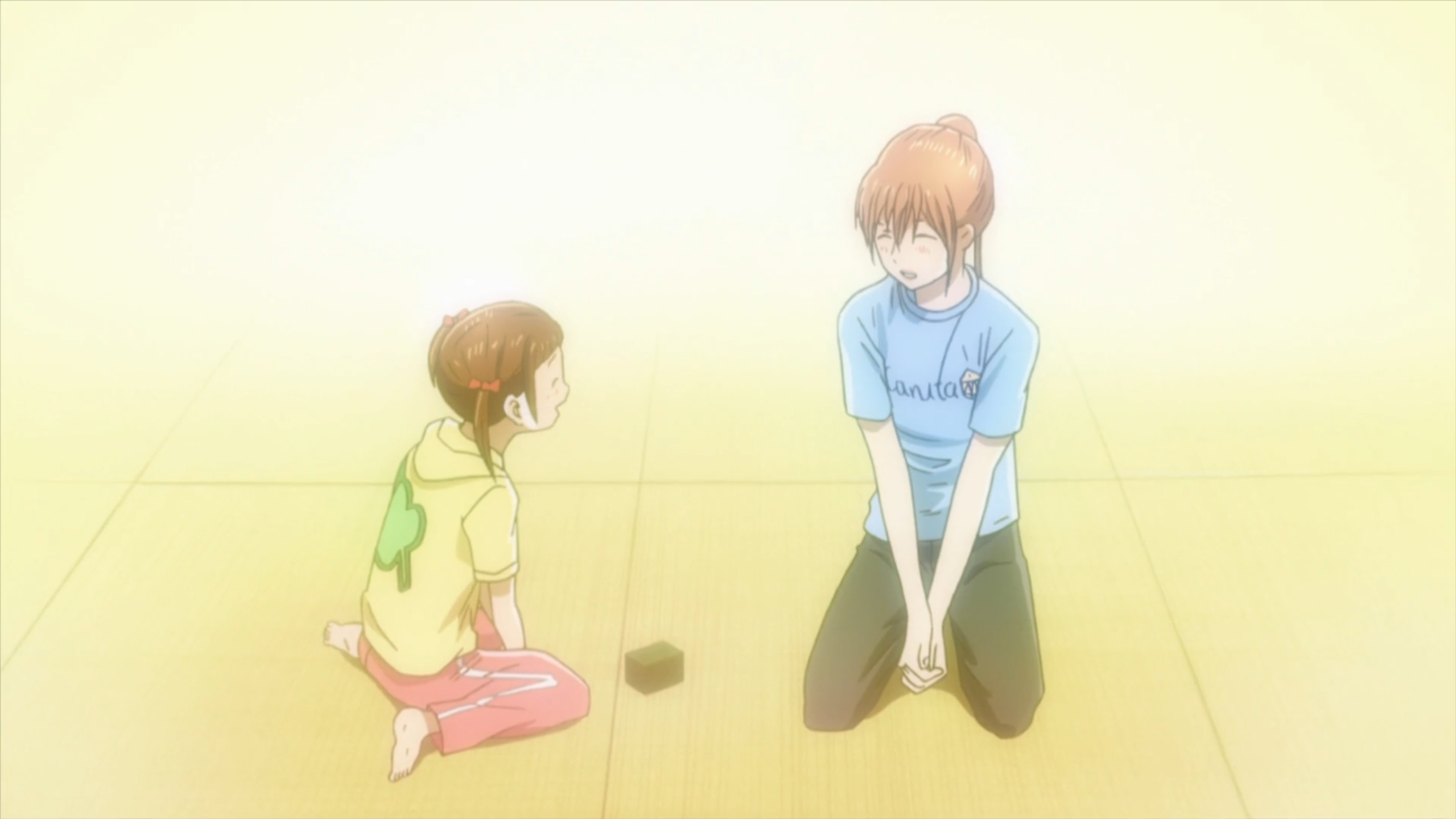
Although I am putting this in the sports genre, I would probably call it a romance and drama anime first. Karuta is a large part of the story which means the aesthetics involved also play a big role. When I first got into this show I recommended it to a friend of mine but she said she didn’t really like how much fanservice it had. This confused me at first because there were no fanservice moments in it at all. What my friend was talking about was how Chihaya as a character is written to be an extremely likable character and the way she acts and moves definitely invokes an innocence that can be very attractive to people. I don’t disagree with her sentiment about this, but I do think this holds less true in later seasons when she becomes a much more rounded character. Chihayafuru’s cast of interesting characters does a lot of good work in making the show very enjoyable and the tension from the actual competition is high enough to keep that competitive sports element alive as well. Like I said at the start of this chapter, definitely give this show a watch if you haven’t yet, but then again do that for each of the shows I’ve talked about here.

In conclusion
In conclusion? What is this, an essay for a university assignment? Well, it just felt weird to put this paragraph still under the previous heading, so that’s why the distinction is here. The sports genre is one that has always been near and dear to my heart. Some of the best shows I’ve ever seen are part of this genre and some of my comfort shows are as well. I can watch Haikyuu episodes any day and be happy about it, same with Kuroko, Chihayafuru and many others. It’s not so much about the sport itself – although sometimes it is – but putting people in a competitive setting allows us to really explore the motivations and wants of these people. It’s also what makes other shounen and seinen shows tick in a lot of cases. Sure, it’s fun to watch Luffy beat the crap out of dictator #4, but the real joy of the show is in watching the underlying story about the people who suffer under a cruel government and are about ready to stand up to their oppressors. The relationships between Naruto and Sasuke are much more interesting than Naruto beating up some guy. It’s also why Bleach kind of falls flat for me a lot of the time. It’s much more about just having cool characters and cool fights than an actual look into the human condition. And if that is your thing, more power to you, there’s tons of things to like about those sorts of shows. I still have a soft spot for both Fairy Tail and Black Clover and those shows are about as deep as a puddle. There’s no need for a show to be deep to be good, but some shows that do trust the viewer a little bit more can make for a great watch. But that’s me and my thoughts, are there any shows I really should have put on here that are different enough from these entries to warrant that fifth spot? Perhaps I’ll revisit this post in the future to add to it. But for now, thanks for reading!

 Opal Kaharis