
I live in a small town. But when I say that it’s a small town, that’s not giving away a whole lot. The town I live in has around 12.000 people living in it. Depending on your perspective that can be a lot or very little. For comparison, Amsterdam has around 800.000 people living in it. So from that perspective I think our town is pretty small. I did once do an internship in the eastern part of the country. This is much more rural than where I live and I think if I were to ask someone on the train there if 12.000 people was a lot for a town, they’d probably say yes. Some of the villages we went through might not even have had a thousand people living there. In a world that’s quickly modernizing and has ever growing metropolises, how do you keep a small town from disappearing? This isn’t a problem in my country, but it’s been a problem in Japan for a while now. The 2017 anime Sakura Quest tackles this concept and it does so wonderfully. This review will contain some spoilers for the story, but as it’s a slice of life anime, none of that matters all too much. Still, if you want to go in blind, skip this review and go straight to watching the show.
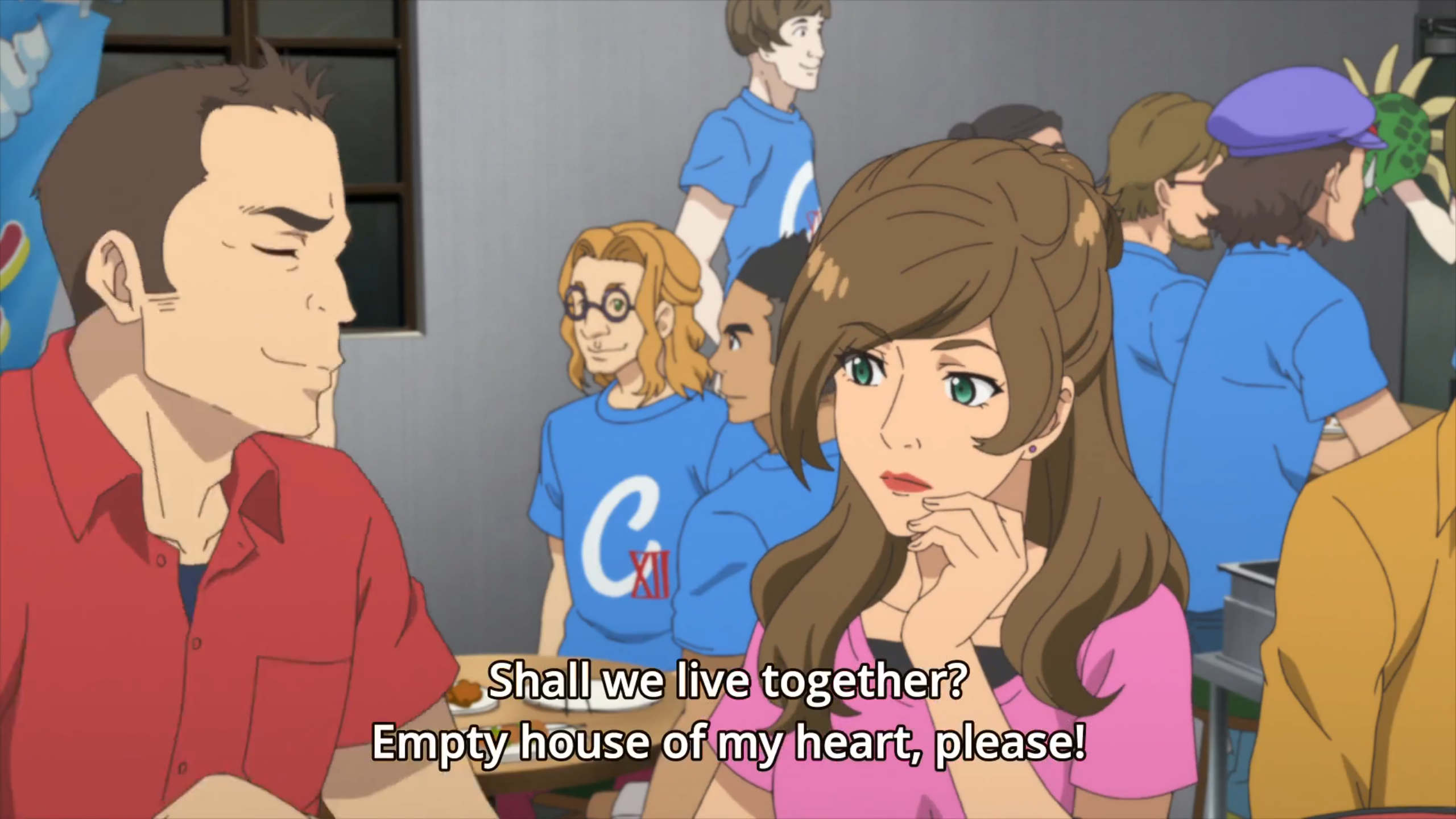
When I first watched an episode of Sakura Quest, I recognized that this was an anime I would like, but it was also during a time where I wasn’t in the mood for slower anime. At this point it’s almost seven years ago and back then my interests still leaned a lot more towards shonen anime. So I put it on hold for a little while. That little while ended up turning into years until I finally found the time to sit down and watched the remaining 16 or so episodes earlier this month. What I watched was an extremely pleasant, thought provoking window into the Japanese countryside, seen through the lens of both old people and young people.
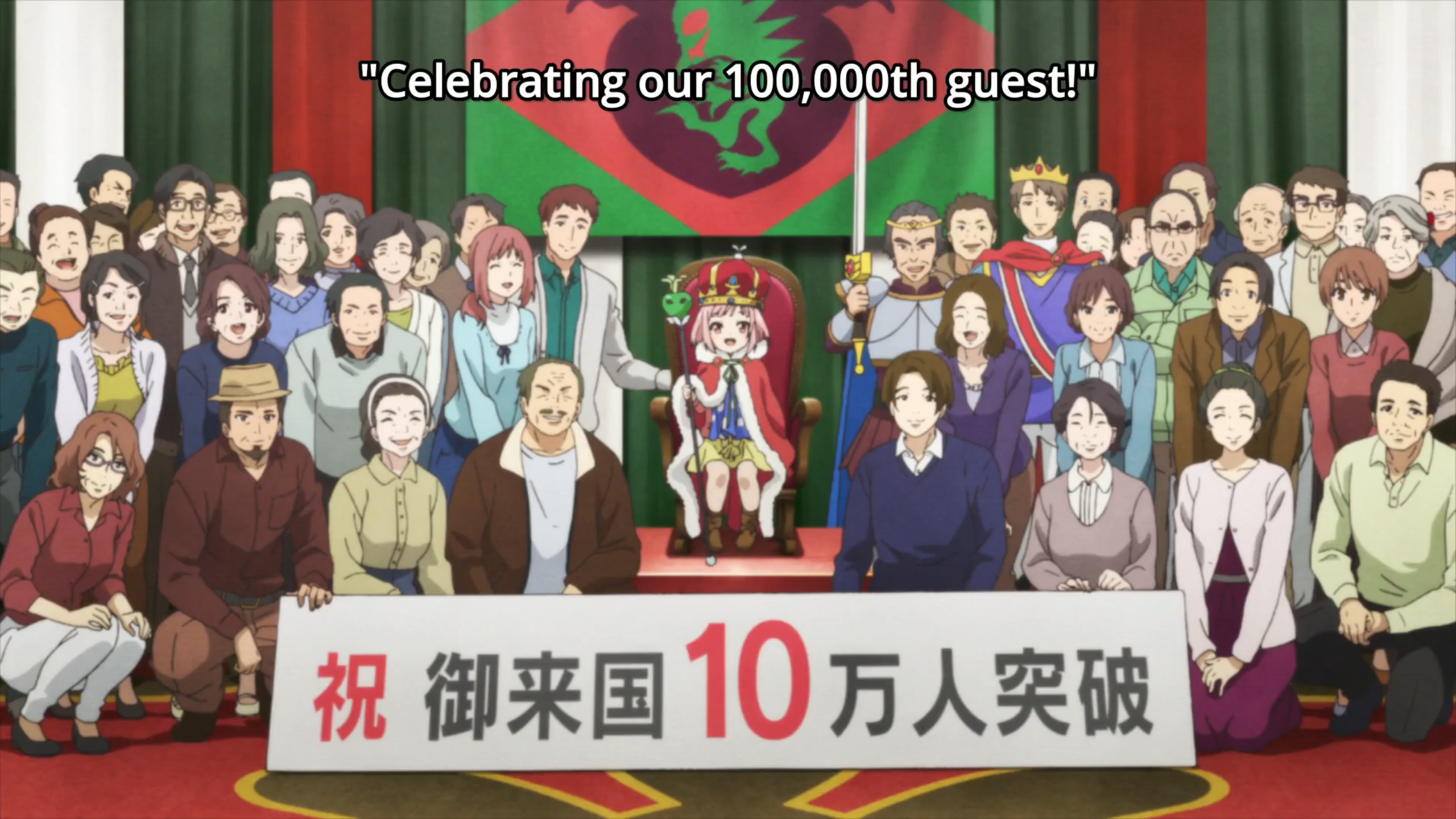
Yoshino Koharu takes a job as the Queen of Chupacabra kingdom. This is a made up kingdom for tourism that’s in the small town of Manoyama. For a year, she’s part of a government of ministers that try to revitalize the small town and bring back some of the culture it lost as time went on and the town shrunk. The story follows Yoshino alongside four other young women who all have their own reasons for working in Manoyama. Some grew up there and wanted to see it shine, others came to escape the big city or to come back home after the big city didn’t turn out to be what they wanted. These five women are now tasked with creating events, promoting them online, convincing the board of merchants and working hard for a year to make sure the town stays relevant.
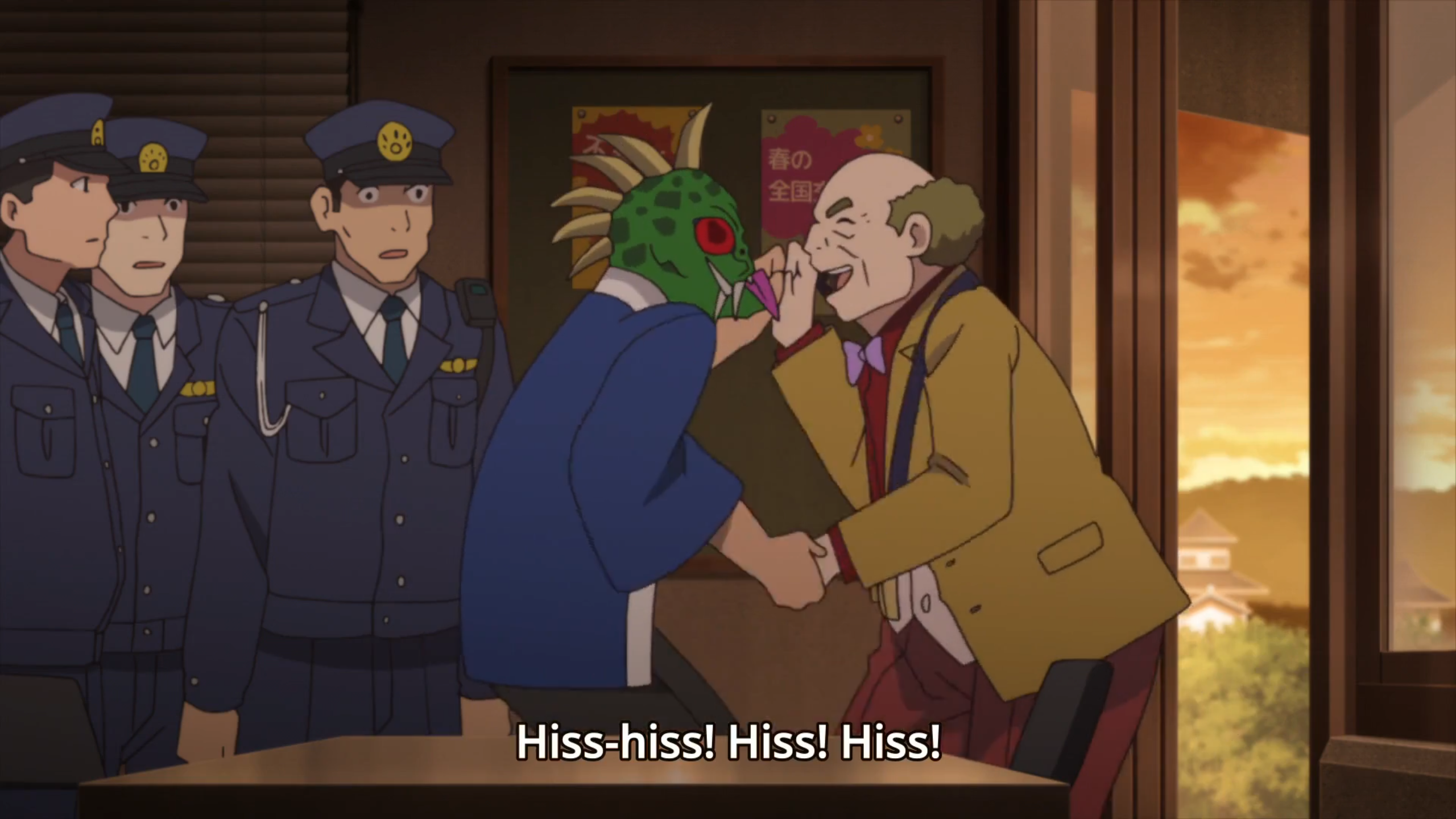
The first half of the show is a little bit slow as we take our time to get to know some of the characters. As the show picks up steam, we start to see more and more about what makes Manoyama interesting. Sure, it’s a small town like any other, but they have their own festivals, their own history and many of the older people living there still remember a time before things started getting quiet. We run into problems with a filming crew that doesn’t quite make the footage they wanted, the head of the merchants board and the chief of the cultural board are old friends who don’t like each other at all right now, there’s a professor of anthropology who’s studied the town for decades. My favorite little bit of information is that the people who live a bit further out from Manoyama all hang certain lanterns outside their house at night. If one of the houses is missing a lantern, that signals that something has gone wrong. It’s a very practical system in a place where technology feels alien and out of place. As we progress through the story we see more and more of these interesting cultural touchstones. The local police officer, book seller and bus driver once hid a dragon toy in the local playground. The daughter of the local restaurant wants to move to Tokyo, the bus line isn’t profitable, the old school is going to be bulldozed if they don’t find a use for it.
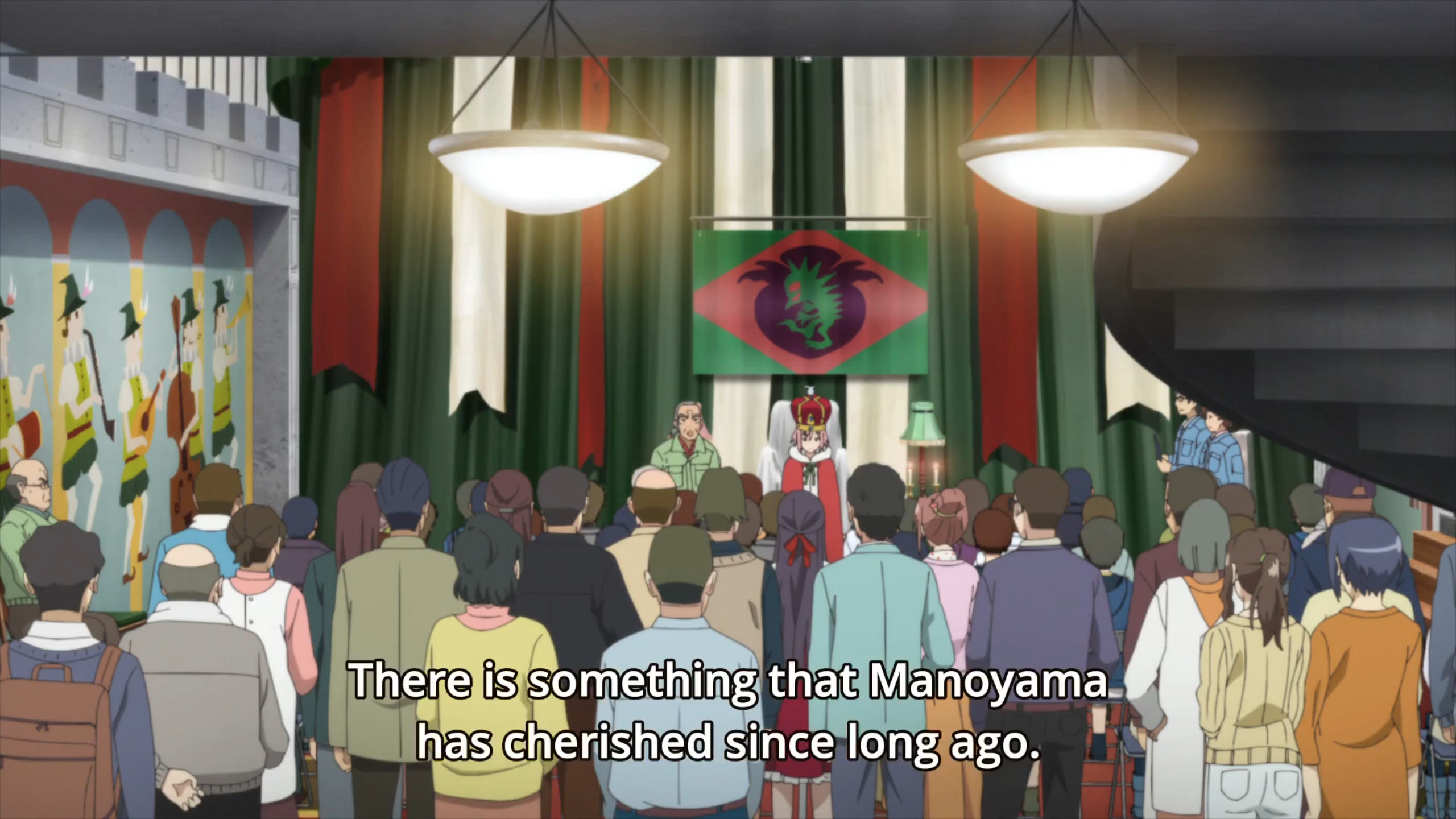
All of this culminates in a festival where the entire town comes together after differences have been settled. Everyone celebrates the uniqueness that their village has and with the future secured thanks to the help of some kind outsiders things look like they’re going to be okay. Speaking of outsiders, a man named Sandal moved to the city and seems to be an all around oddball throughout the story. He’s an artist and a bit of a poet at times but he comes to be fully accepted by the Manoyama residents and ends up just as much a part of their village as anyone else. Also, his voice actor has one of the most pleasant voices I’ve ever heard. After everything is solved, we move on from the project. The year of being a queen is over and Yoshino and the others need to decide what they want to do next. I won’t spoil what she decides but I think the decision she ends up making was better than anything I could have predicted. Although it took me almost 7 years to finally finish this show, I think it’s a very good slice of anime that should get more recognition than it does. If you like shows like Yuru Camp, Non Non Biyori and Barakamon, this one will be perfect to watch next. Thanks for reading!

 Opal Kaharis